
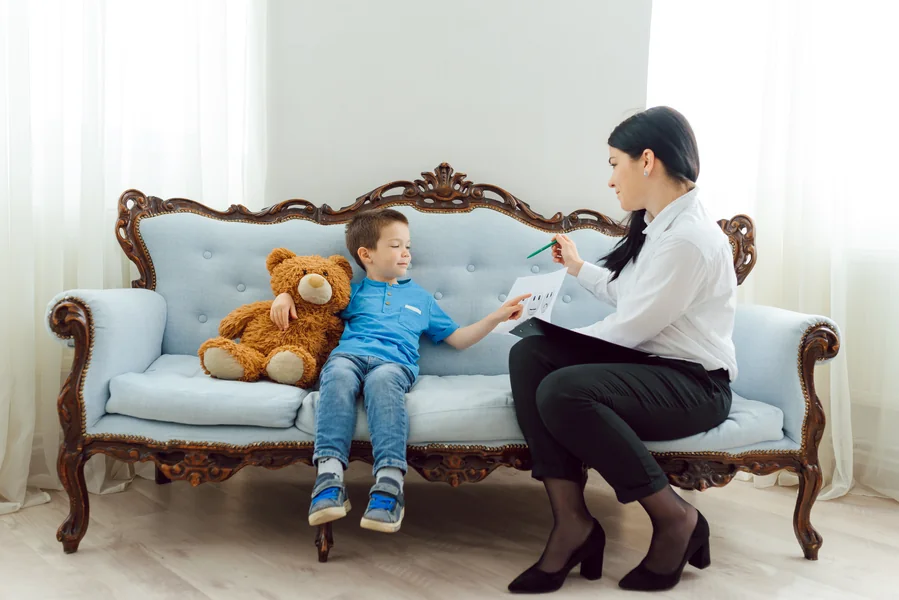
When a child or teen is struggling, parents and caregivers are often the first to notice that something feels off. A student who once enjoyed reading may suddenly avoid homework. A teen who used to be easygoing may become more withdrawn or reactive. Some children have trouble focusing, following directions, or keeping up with schoolwork. Others seem overwhelmed by emotions, routines, or social situations.
When these concerns start affecting daily life, a psychological evaluation can help bring clarity. At Tucson Outpatient Psychiatry’s Main Tucson Location, psychological testing for kids and teens is designed to identify strengths, challenges, and patterns that can guide treatment planning and school support. It is not about labeling a child. It is about understanding what is going on so families can make informed decisions.
Signs parents and caregivers may notice
There is no single sign that means a child needs testing. Often, families begin considering a mental health evaluation when they notice a pattern over time. Common concerns may include:
– Difficulty paying attention or staying on task
– Trouble learning new material or keeping up academically
– Frequent behavior problems at home or school
– Big emotional reactions that seem hard to manage
– Worry, sadness, irritability, or withdrawal
– Social challenges with peers
– Problems with organization, memory, or completing assignments
– A sudden change in functioning after a stressful event
These concerns can have many possible causes. A psychological evaluation can help sort through them by looking at how a child thinks, learns, feels, and responds in different settings.
What a psychological evaluation can help clarify
A tucson psychological assessment is often used when families, teachers, or providers want a clearer picture of a child’s needs. Testing may help identify strengths as well as areas that need support. That information can be useful for:
– Treatment planning
– Understanding learning or attention concerns
– Informing school accommodations or classroom strategies
– Supporting communication between caregivers and providers
– Creating a more complete picture than a brief visit alone can provide
A psychological evaluation does not replace a full medical workup when one is needed, but it can offer valuable information that helps guide next steps. In some cases, families are looking for a mental evaluation near me because they want answers that go beyond what can be learned in a short conversation.
What an evaluation may involve for children and teens
The exact process can vary based on age, concerns, and the questions being asked. In general, a psychological evaluation may include several parts.
1. A clinical interview
The process often begins with a conversation with the parent or guardian. The clinician may ask about developmental history, school performance, behavior at home, emotional concerns, family stressors, and any previous support or services. For teens, part of the conversation may also include speaking with the young person directly.
2. Review of records and school information
School reports, teacher comments, prior testing, report cards, or examples of classwork can help provide a fuller picture. These materials may show how concerns appear across settings and over time.
3. Testing and observation
Depending on the referral question, the evaluation may include tasks or questionnaires that look at attention, memory, learning, problem-solving, mood, behavior, or social-emotional functioning. Some children are asked to complete paper-and-pencil or computer-based tasks. Others may respond to questions or rate their own experiences.
The clinician may also observe how a child approaches tasks, handles frustration, or stays engaged. These observations are part of the overall picture.
4. Mental status assessment
A mental status assessment may be part of the process, especially during the interview portion. This is a structured way of noting a person’s appearance, behavior, mood, speech, attention, and thought process during the visit. For children and teens, it helps the clinician understand how they are presenting in the moment.
5. Guardian participation
Parents and guardians are an important part of the evaluation process for minors. They provide history, share concerns, and help the clinician understand what the child is like at home and in daily routines. Their input is especially helpful when the goal is to understand patterns across settings.
What happens after testing
A psychological evaluation usually includes a follow-up session to review results. This is an important part of the process because it gives families time to ask questions and understand what the findings mean.
During this session, the clinician may explain:
– Areas of strength
– Areas that may need support
– How the results fit with the concerns that brought the family in
– Recommendations for treatment, school support, or next steps
This follow-up is often where the evaluation becomes most useful. Families leave with a clearer understanding of what was found and how to move forward.
How to talk to a child about testing
Many children feel more comfortable when testing is explained in simple, calm language. The goal is to reduce worry, not to overexplain.
You might say:
– “This visit will help us understand how you learn and what helps you do your best.”
– “There are no tricks. The questions and activities help the doctor learn more about you.”
– “We want to figure out what is easy for you and what feels harder.”
For younger children, keep the explanation brief. For teens, it may help to acknowledge that testing can feel uncomfortable or uncertain, while emphasizing that their input matters.
How to prepare for the appointment
A little preparation can make the day smoother. Families are often encouraged to:
– Make sure the child gets a good night’s sleep
– Bring a snack if appropriate
– Bring school reports, prior evaluations, or relevant records
– Write down examples of concerns seen at home or school
– Share any questions you want answered during the visit
If a child has trouble with transitions or new settings, it may help to explain the plan ahead of time and keep the day as predictable as possible.
In-person care in Tucson and telehealth across Arizona
For families in the Main Tucson Location area, in-person psychological evaluation services are available locally. Tucson Outpatient Psychiatry also offers telehealth options across Arizona when appropriate, which can be helpful for families who need flexibility or live farther away.
If you have been searching for a mental health evaluation or psychiatric evaluation for your child or teen, it may be helpful to start with a visit that focuses on understanding the full picture. A psychological evaluation can provide structure, clarity, and a path forward.
For parents and caregivers, that clarity can make the next step feel more manageable. Whether the concern is learning, attention, behavior, or emotional well-being, the goal is to understand what your child needs and how to support them well.
If you would like to learn more about psychological testing for children and teens, Tucson Outpatient Psychiatry can help families explore the evaluation process and next steps.